Admissions team answering now · 24/7 Call or WhatsApp 060 967 1047
Treatment

Treatment programmes and therapies

A holistic programme that combines the proven 12 Step approach with CBT, DBT, individual and group therapy, and life skills, built around a personal treatment plan for each client.

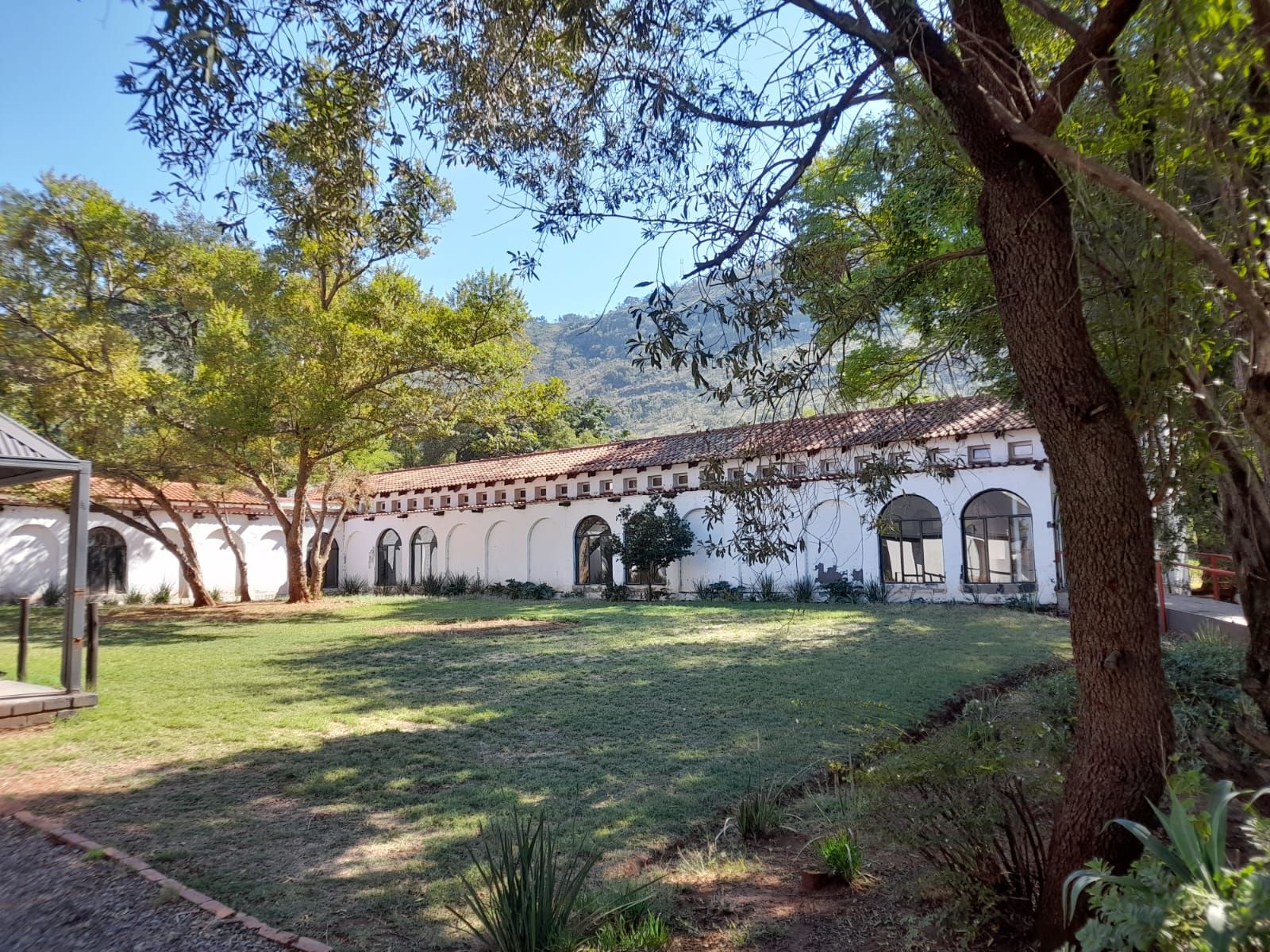
The arched whitewashed courtyard at Aloe Valley with mountains behind

Three stages, one plan

Most clients move through these stages in order. How long each takes is agreed with you, based on the person's needs.

  1. Medically supervised detox First days

    Clients detox under the supervision of our nursing professionals, who give close attention throughout. We understand the risks of withdrawal and put safety and comfort first, so recovery starts on a stable foundation.

    More about detox
  2. Primary programme 28 days to 3 months

    Group and individual therapy with our addiction professionals, combining motivational interviewing, interpersonal group therapy, creative and experiential therapy and the 12 Step programme. We take time to understand each client's circumstances and shape the treatment plan around them. After this programme, we suggest continuing therapy as an outpatient.

  3. Secondary programme 6 months recommended

    An extension of the primary programme focused on the core life skills needed to live well in recovery. Research and experience show that longer treatment leads to better outcomes. Clients use the tools of recovery in a safe, supervised setting through therapy, the 12 Step programme and everyday activities that include a working environment.

How we treat addiction

Cognitive behavioural therapy (CBT)

Talk therapy that helps clients notice inaccurate or negative thinking and respond to difficult situations more effectively. One of the most effective treatments for substance abuse and co-occurring mental health conditions.

Dialectical behavioural therapy (DBT)

Helps people who struggle to manage their emotions. Used for self-harm, suicidal thoughts, PTSD, depression, anxiety and borderline personality disorder alongside addiction.

The 12 Step programme

A proven framework, based on the principles of AA and NA, for accepting the addiction, processing the experience and building new patterns.

Daily spiritual teachings

A holistic, morality-based approach that respects all denominations and belief systems. The Alpha course is also offered in group and one-to-one sessions.

Individual and group therapy

Personal sessions with our professionals, and group sessions where clients learn from each other.

Dual diagnosis

Our clinical psychologist and consulting psychiatrist assess and treat mental health conditions that often sit underneath an addiction.
Courses for life after rehab

These courses help clients understand their behaviour, rebuild relationships and return to family, friends and work with a clear plan.

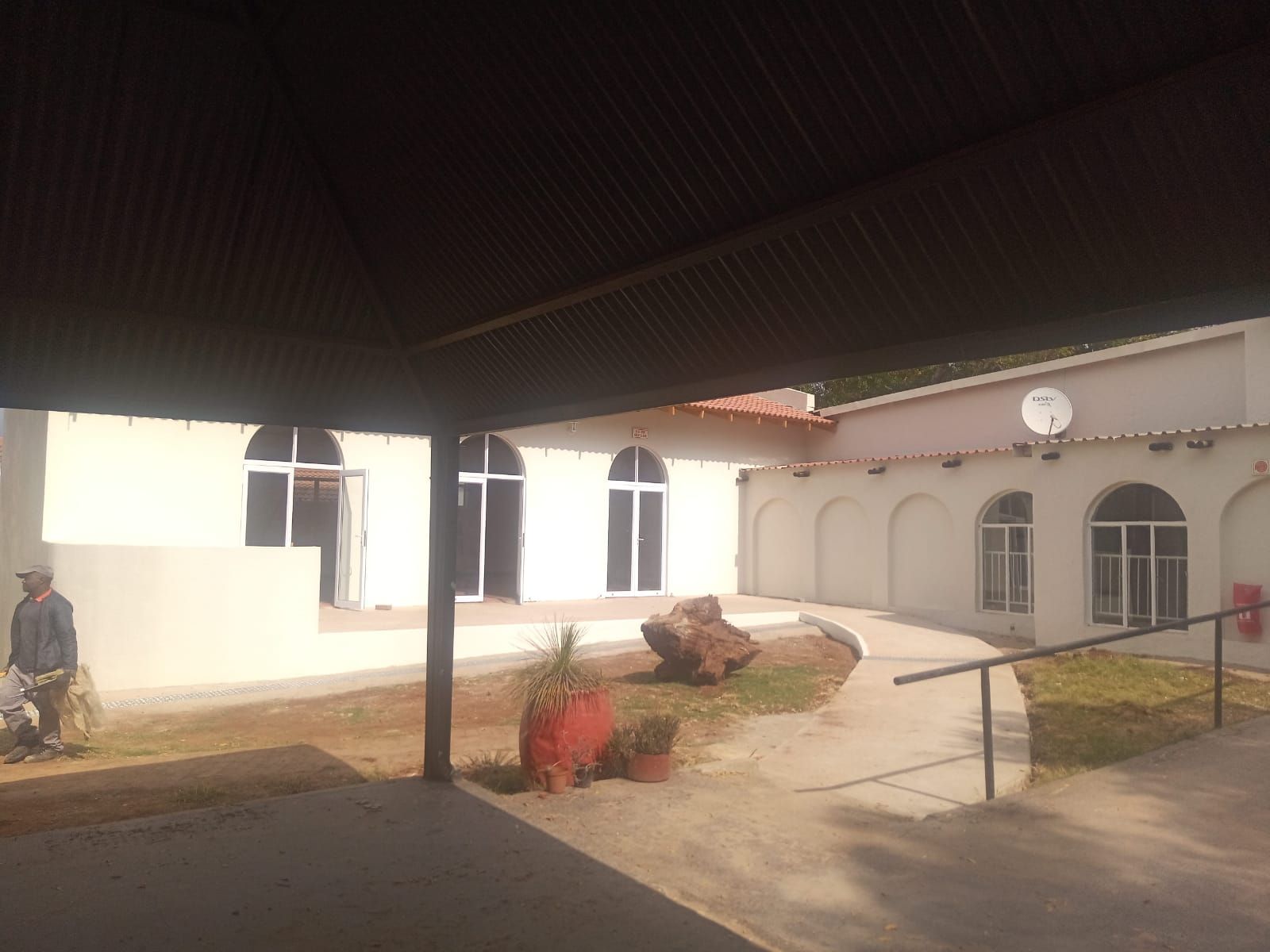
A covered walkway between the whitewashed buildings
  • Manipulation
  • Ego and self-awareness
  • Boundaries
  • Attitude
  • Anger management and conflict resolution
  • Guilt and shame
  • Forgiveness
  • Victim mentality
  • Relapse detection and prevention
  • Exit strategy and aftercare planning

Professional, compassionate care

We work hand in hand with clients' families, employers and referring professionals to give recovery the best chance.

  • Programme Director
  • Social Worker
  • Clinical Psychologist
  • Consulting Psychiatrist
  • Consulting Physician
  • Registered Nurse
  • Addiction Counsellors
  • Life Skills Coaches

Leaving with a plan

The exit strategy programme prepares each client for everyday life. It covers aftercare planning, connection to support networks and follow-up sessions, so nobody faces the first months alone.

Relapse detection and prevention teaches clients to recognise early warning signs and act on them before a slip becomes a relapse.

24/7 admissions

Not sure which programme fits?

Call or WhatsApp 060 967 1047. You don't need to have everything figured out. Tell us what's happening and we'll explain the next step.

If someone is in danger right now, call 112 from a mobile or 10177 for an ambulance.

Prefer that we call you?

Who needs help?
How should we contact you?

Admissions will call or WhatsApp you back. For anything urgent, call now instead.

Call now WhatsApp